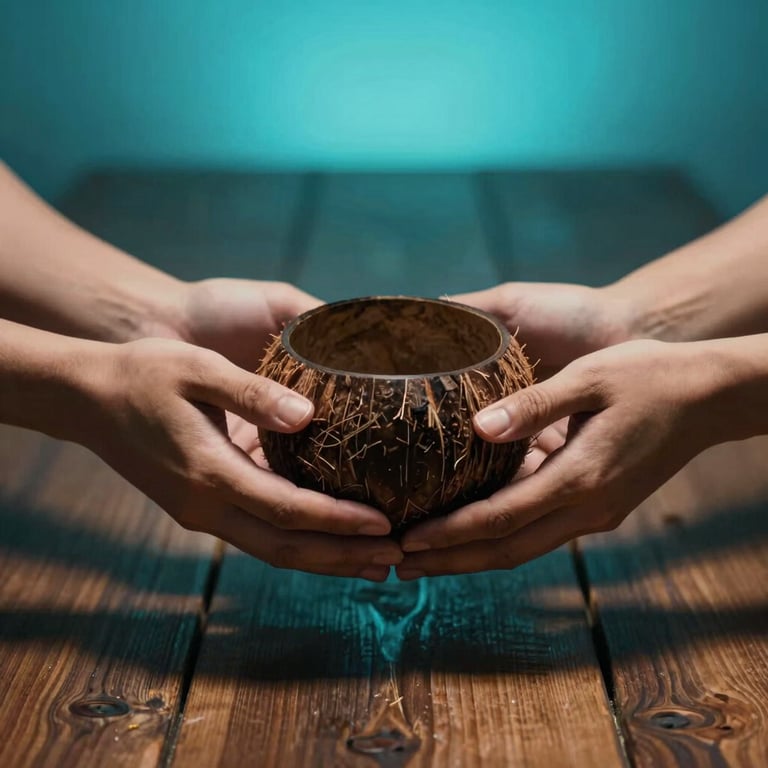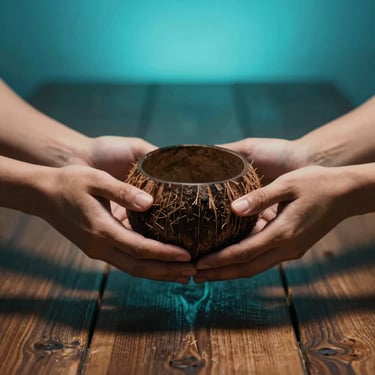
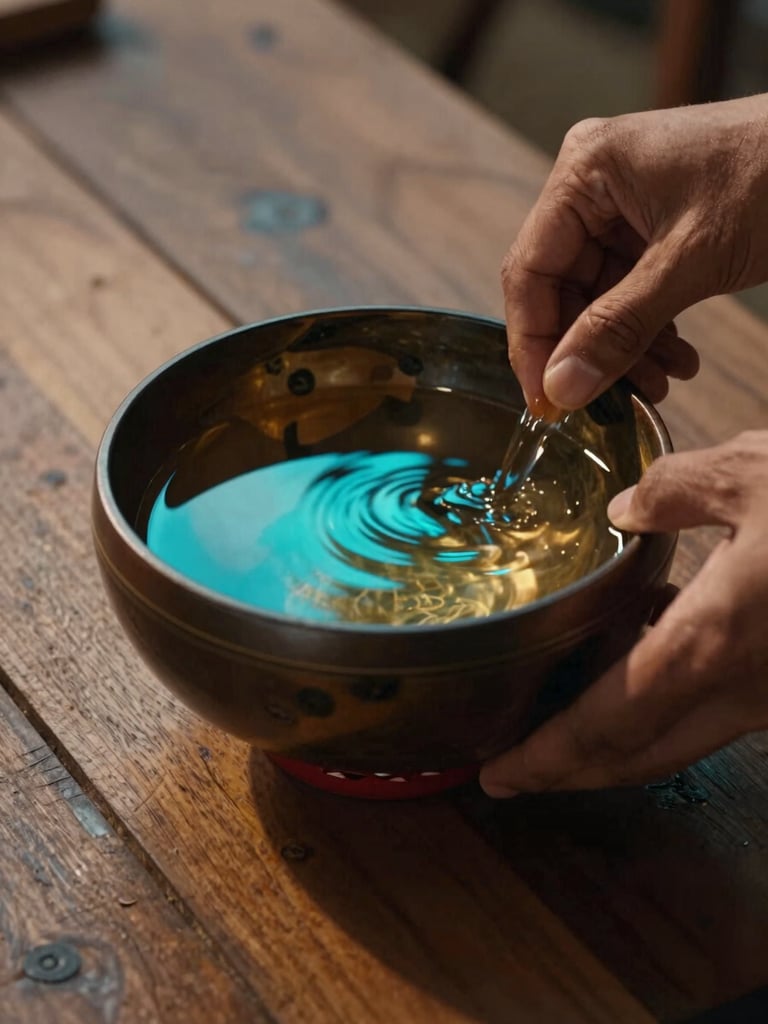
Wide cinematic shot of a traditional kava tanoa bowl on worn wooden planks, neon cyan light reflecting off the dark liquid surface, a pair of hands just entering frame from the right, deep shadows and tungsten-warm ambient glow, close environmental detail emphasizing texture of bowl and grain
/ Roots, ritual, reason

Centuries of ceremony. One cup at a time.

Kava didn't start in a bar. It started in the ground, in the hands of communities who knew exactly what they were doing with it. That context belongs in the cup.
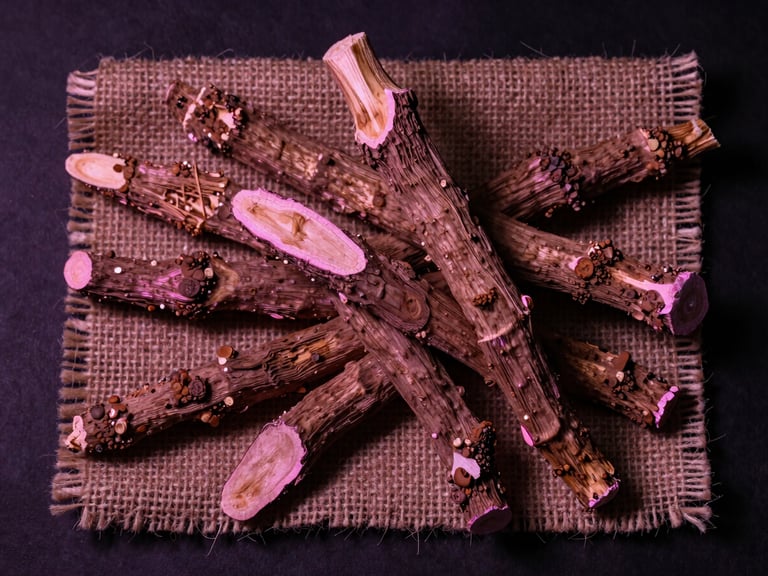
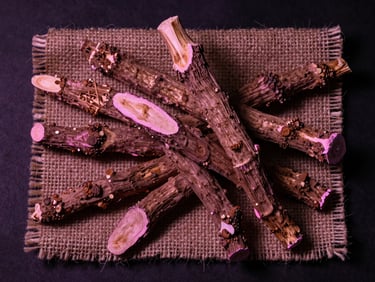
Overhead flat-lay of dried kava root pieces arranged on aged burlap under diffused tungsten light, neon magenta edge-light catching the rough texture of the root surface, dark moody background, high contrast and grain visible
— Where it begins

A root, not a trend

Piper methysticum grows in the Pacific Islands and has been prepared for ceremony, community, and healing for over three thousand years. The preparation is deliberate. The drinking is communal. Neither is incidental.
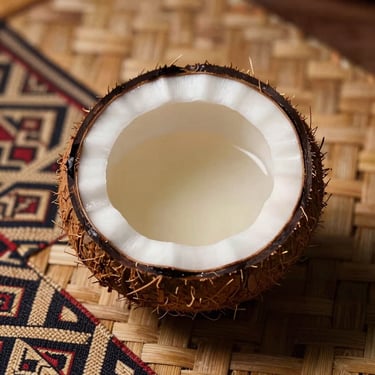
Close-up of a half-coconut shell filled with pale kava liquid, placed on woven pandanus mat, tungsten warm light from the left, deep shadow on the right, Fijian textile pattern partially visible beneath the shell
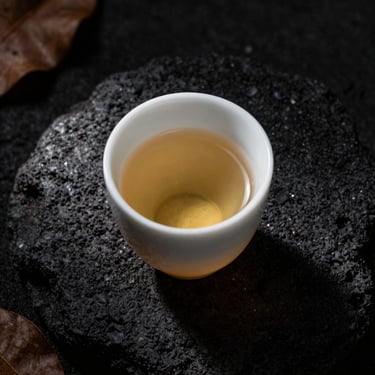
Overhead close-up of an awa cup on dark volcanic stone, pale amber liquid catching diffused window light from the left, dried leaves visible at the edge of frame, moody low-contrast Hawaiian aesthetic
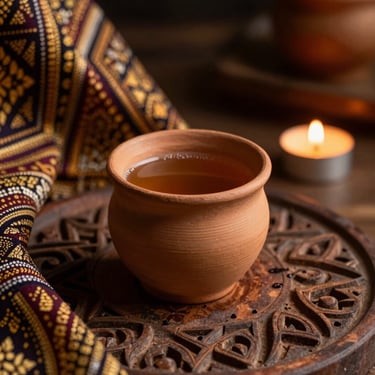
Close-up of a small clay cup of herbal kava-adjacent drink on a hand-carved wooden surface, warm candlelight from below, Thai temple textile draped at the edge of frame, deep amber tones and soft focus background
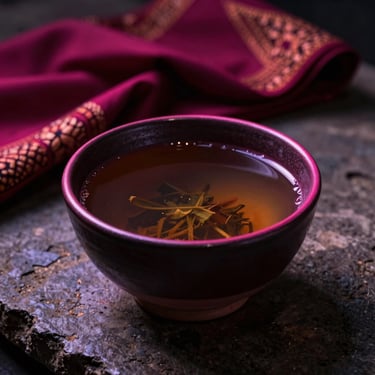
Close-up of a dark ceramic bowl of herbal drink on aged stone, neon magenta edge-light catching the rim, Cambodian silk fabric folded in the background, moody low-light atmosphere with deep shadows
Four regions, four rituals

The cup changes with the soil

Fiji

Hawaiʻi

Thailand

Cambodia

Ceremonial plant drinks in northern Thailand carry their own preparation logic — rooted in community gathering, medicinal tradition, and the unhurried pace of shared time.

Yaqona is the center of Fijian ceremony. Shared from a single tanoa, the ritual governs who pours, who drinks first, and what that order means.

ʻAwa carries deep spiritual weight in Hawaiian tradition — offered to ancestors, shared at births and deaths, and prepared with prayer as part of the process.

Ritual plant preparations in Cambodia are tied to temple practice and seasonal ceremony — the act of drinking marks time, not just appetite.